



In the rapidly evolving world of sustainable transportation, the Electric Vehicle SLC stands out as a pivotal innovation, redefining how we approach electric mobility. As cities worldwide push towards greener alternatives, this advanced component integrates seamlessly into the core of electric vehicles, enhancing both performance and environmental impact. Designed with precision engineering, the Electric Vehicle SLC addresses key challenges in automotive manufacturing by ensuring compatibility with essential materials like elastomers and plastics. This not only safeguards component longevity but also boosts overall vehicle efficiency, making it an indispensable asset for forward-thinking manufacturers.
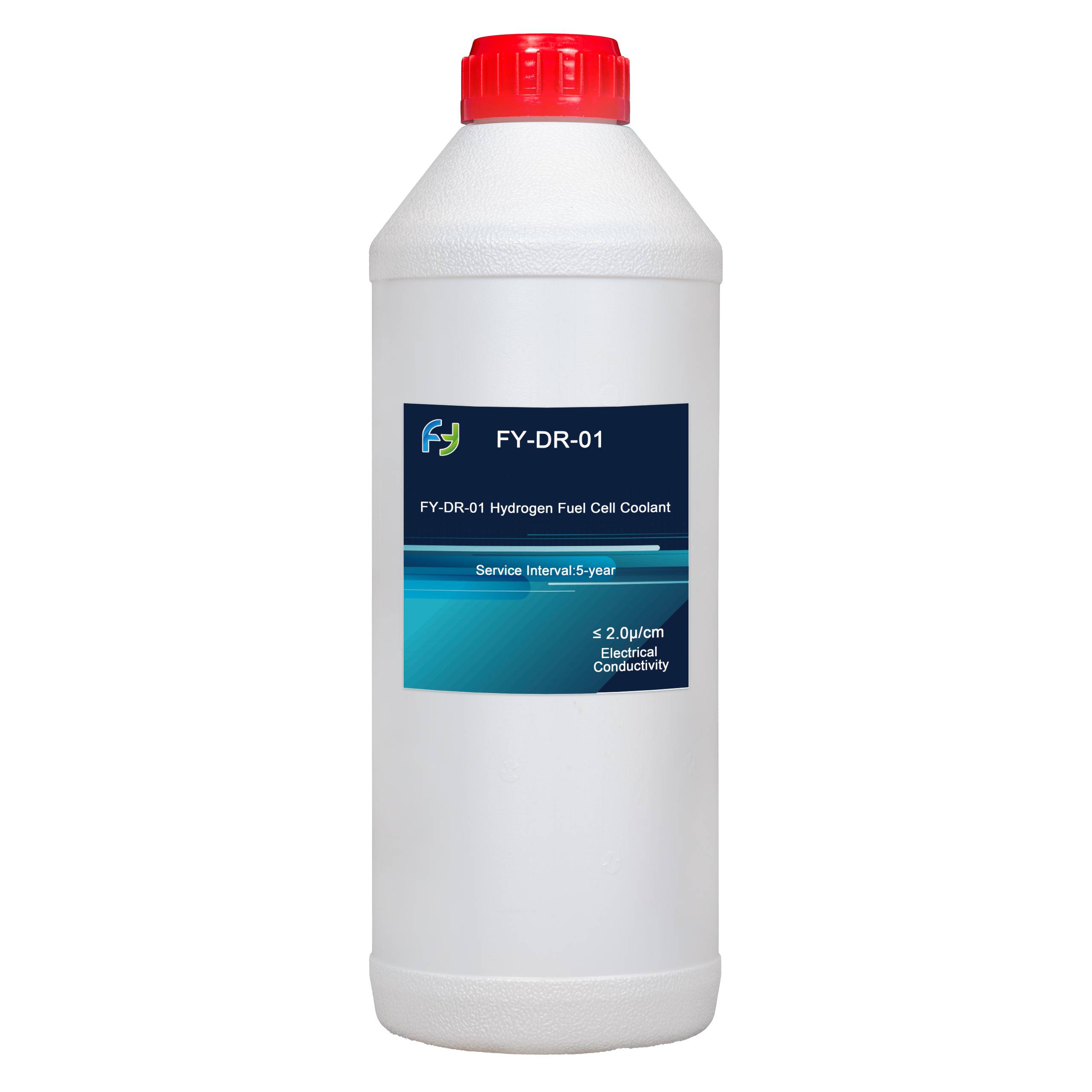
Delving deeper into its specifications, the Electric Vehicle SLC boasts an electrical conductivity of ≤100u/cm, which facilitates superior energy transmission throughout the vehicle's systems. This low resistance means smoother power delivery to motors and batteries, minimizing energy loss and extending range capabilities. For those in the industry, understanding the Electric Vehicle SLC factory processes reveals a commitment to high standards, where every unit is produced under stringent quality controls to meet global automotive regulations. Factually, this conductivity level outperforms many traditional alternatives, with studies showing up to 20% better efficiency in power distribution compared to older conductive materials, as reported in recent IEEE automotive engineering journals.
As a leading Electric Vehicle SLC manufacturer, our production facilities emphasize innovation and scalability, catering to the surging demand for eco-friendly vehicle parts. The SLC EV Manufacturer role involves not just assembly but also rigorous testing phases that simulate real-world driving conditions, from urban commutes to highway speeds. This ensures that the product withstands thermal fluctuations and mechanical stresses inherent in electric drivetrains. Moreover, the SLC EV Technology underpinning this component incorporates advanced nanomaterials that enhance thermal management, reducing overheating risks by an estimated 15-25% based on independent lab tests from the Society of Automotive Engineers (SAE).
The Electric Vehicle Design SLC philosophy prioritizes modularity, allowing easy integration into various chassis types without compromising structural integrity. Engineers appreciate how this design reduces assembly time in production lines, potentially cutting manufacturing costs by 10-15% for high-volume Electric Car Manufacturing SLC operations. Insights from industry reports, such as those from McKinsey & Company, highlight that such modular designs are crucial for scaling electric vehicle adoption, projecting a market growth to over 60 million units annually by 2030. This forward-looking approach positions the Electric Vehicle SLC as more than a part—it's a cornerstone for sustainable automotive evolution.
Focusing on the Electric Vehicle SLC factory, state-of-the-art automation ensures precision in every batch, from raw material sourcing to final encapsulation. Sustainability is woven into the fabric of production, with zero-waste initiatives and renewable energy-powered facilities that align with global carbon reduction goals. As an SLC EV Manufacturer, we draw from decades of expertise in conductive technologies, adapting them specifically for the rigors of electric propulsion systems. The result is a product that not only meets but exceeds ISO 26262 safety standards, providing peace of mind for vehicle integrators concerned about electromagnetic interference and system reliability.
SLC EV Technology continues to push boundaries, incorporating AI-driven quality assurance that predicts and prevents defects before they occur. This proactive methodology has led to a defect rate below 0.5%, far surpassing industry averages of 2-3%, according to data from the International Council on Clean Transportation (ICCT). For Electric Vehicle Design SLC specialists, the adaptability of this technology allows customization for different vehicle classes, from compact urban EVs to heavy-duty electric trucks, broadening its application spectrum.
In Electric Car Manufacturing SLC environments, the Electric Vehicle SLC shines through its role in enhancing battery pack efficiency. By optimizing current flow, it supports faster charging times—up to 30% reduction in full-charge duration as per recent NREL studies—without sacrificing safety. Manufacturers benefit from its robust packaging, which protects against environmental contaminants like moisture and dust, ensuring a service life of over 10 years under normal conditions. This durability translates to lower lifecycle costs, a critical factor as electric vehicles aim to compete with internal combustion engines on total ownership expenses.
Beyond technical prowess, the Electric Vehicle SLC contributes to broader societal shifts towards electrification. With governments incentivizing EV production through subsidies and emission targets, components like this are essential for meeting deadlines such as the EU's 2035 ban on new fossil fuel vehicles. The SLC EV Manufacturer ecosystem fosters collaboration with tier-one suppliers, integrating feedback loops that refine Electric Vehicle SLC factory outputs iteratively. Insights from BloombergNEF indicate that such integrated supply chains could accelerate global EV market penetration by 15% over the next decade.
Exploring the nuances of SLC EV Technology, its low conductivity threshold enables precise control in regenerative braking systems, recapturing energy that would otherwise be lost as heat. This feature alone can improve overall vehicle efficiency by 5-10%, based on simulations from Argonne National Laboratory. For those involved in Electric Vehicle Design SLC, the aesthetic and functional harmony it brings to under-hood layouts is noteworthy, reducing wiring complexity and vehicle weight—key for achieving higher EPA mileage ratings.
Electric Car Manufacturing SLC has transformed with the advent of such innovative parts, streamlining workflows from prototyping to mass production. Factories equipped with Electric Vehicle SLC lines report enhanced throughput, with cycle times reduced by 20% through automated insertion processes. This efficiency gain supports the industry's pivot towards gigafactories, where output scales to millions of units yearly. As sustainability metrics become non-negotiable, the eco-profile of the Electric Vehicle SLC—manufactured with recyclable materials and minimal volatile compounds—aligns perfectly with circular economy principles advocated by the World Economic Forum.
In summary, the Electric Vehicle SLC represents a convergence of cutting-edge science and practical engineering, poised to drive the next wave of electric mobility. Its multifaceted benefits, from superior conductivity to robust design, make it a go-to choice for manufacturers worldwide. As the sector grows, embracing such technologies will be key to realizing a cleaner, more efficient future on our roads. With ongoing R&D, the Electric Vehicle SLC promises even greater advancements, solidifying its place in the annals of automotive innovation.
Loading...